
Fufu and egusi is one of the most recognised Nigerian dishes in the world.
Tourists ask about it more than almost any other food, and millions of people on TikTok and Instagram have made the dish famous.
But many travelers still want to know:
What culture is fufu and egusi from?
This guide breaks down the origins, tribes, cultural meaning, and regional variations of this iconic Nigerian meal — in a simple, educational way for first-time visitors.
What Exactly Is Fufu and Egusi?
Fufu — The Swallow
Fufu refers to soft, stretchy food made from:
-
Cassava
-
Yam
-
Plantain
It is eaten by tearing off a small ball and dipping it into soup.
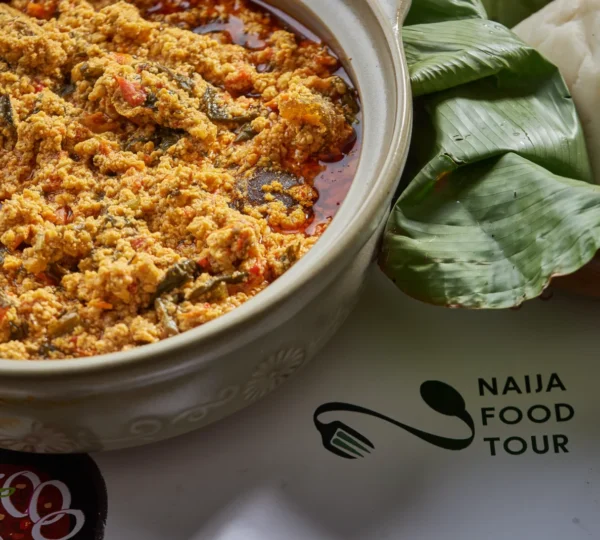
Egusi — The Melon Seed Soup
Egusi soup is made from:
-
Ground melon seeds
-
Palm oil
-
Pepper blend
-
Leafy vegetables (ugu, spinach, bitterleaf)
-
Meat, fish, or assorted proteins
Together, fufu and egusi form a perfect flavour combination.
So, What Culture Is Fufu and Egusi From?
Fufu and egusi primarily originate from the Yoruba culture in southwestern Nigeria — although the meal is now enjoyed across many tribes.

Why Yoruba Culture?
-
Egusi soup has deep roots in Yoruba traditional cooking
-
Fufu (especially pounded yam) is a Yoruba staple
-
Many Yoruba communities use melon seeds in ceremonial dishes
-
Historical records show Yoruba people preparing egusi centuries ago
However, several other Nigerian cultures have adopted and adapted the dish.
Fufu and Egusi Across Different Cultures
1. Yoruba People (Original Custodians)
Egusi is strongly tied to Yoruba celebrations, weddings, and festivals.
In Yoruba culture:
-
Egusi represents abundance
-
It is served at major ceremonies
-
Pounded yam + egusi is considered a royal meal
2. Igbo People
The Igbo adopted egusi and created variations with bitterleaf and uziza.
Fufu made from cassava (akpu) is very common among the Igbo.
3. Edo & Delta Tribes
These tribes prepare egusi with smoked fish, crayfish, and vegetables unique to the Niger Delta.
4. Northern Nigeria
Though swallow culture is strong in the north, egusi is enjoyed but prepared differently, often lighter and more peppery.
Historical Roots of Egusi in West Africa
Egusi is not only Nigerian — it is West African.
Countries that enjoy egusi variations:
-
Ghana
-
Togo
-
Benin
-
Cameroon
But Nigeria made it globally famous through:
-
Nollywood
-
Social media
-
Diaspora restaurants
-
Food tourism
This makes the question “what culture is fufu and egusi from” even more interesting—because the meal is culturally shared but rooted in Nigeria.
Why Tourists Are Fascinated by Fufu and Egusi
Tourists love this dish because:
-
It’s interactive — you eat with your hands
-
It’s flavour-rich
-
It’s deeply cultural
-
It’s filling
-
It appears on almost every Nigerian food tour
Videos of foreigners trying fufu for the first time have made the dish a global sensation.
Regional Variations of Fufu and Egusi
1. Yoruba Egusi (Classic Style)
Features:
-
Thick texture
-
Ugu leaves
-
Assorted meats
-
Rich palm oil base
2. Igbo Egusi (Combination Style)
Often includes:
-
Bitterleaf
-
Uziza leaves
-
A smoky flavour
3. Delta Egusi (Fisherman Style)
Contains:
-
Seafood
-
Stockfish
-
Crayfish
4. Cameroon/Ghana Variations
Their egusi is lighter, more vegetable-based.
Cultural Importance of Fufu and Egusi
In many Nigerian cultures, this dish symbolizes:
-
Hospitality
-
Celebration
-
Wealth
-
Unity
-
Traditional cooking pride
No major Nigerian event is complete without a swallow + soup combination.
Is Fufu and Egusi Healthy?
Yes — very.
Health Benefits:
-
Rich in protein (meat/fish)
-
Good fats (melon seeds)
-
High fibre (leafy vegetables)
-
Low cholesterol
-
Good energy source
No wonder Nigerian families eat it often.
Final Answer — What Culture Is Fufu and Egusi From?
While many tribes enjoy the dish today,
the Yoruba culture is the original root of fufu and egusi as a combined meal.
But over time, it became a national treasure enjoyed by all Nigerians — and now by tourists worldwide.
If you enjoyed learning about the cultural roots of fufu and egusi, you’ll love exploring how Nigerian dishes are evolving into elevated, modern dining experiences.
Continue your food journey here:
Naija Gourmet Food: A Traveler’s Guide to Nigeria’s Finest Flavors