
When tourists think about traveling to Nigeria, one question always comes up first:
“What is the most famous food in Nigeria?”
Nigeria is one of the most diverse food cultures in Africa, and each region has its own signature dishes, ingredients, and cooking styles. Whether you’re planning a food tour in Lagos, trying Nigerian restaurants abroad, or simply curious, this guide will walk you through Nigeria’s most iconic foods and answer the top questions tourists search online.
What Is Nigeria’s Signature Dish?
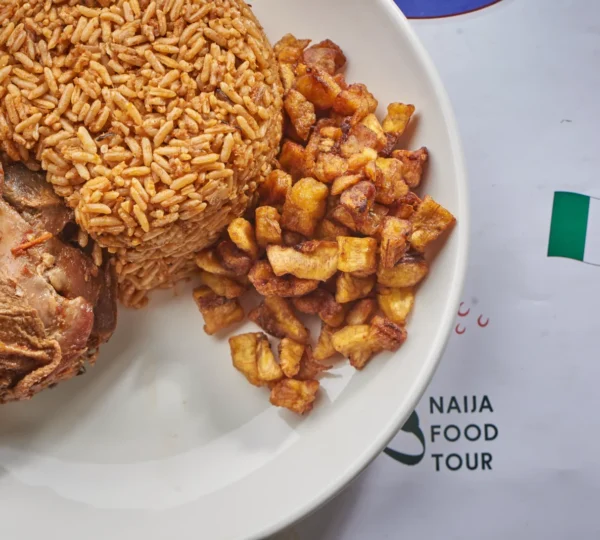
Most people agree that Jollof Rice is Nigeria’s signature dish.
It is a flavourful rice meal cooked in a spicy tomato base with peppers, onions, herbs, and seasoning. Nigerian Jollof is known for its smoky flavour — the famous “party jollof” cooked over firewood.
What Is the Difference Between Jollof Rice and Fried Rice?
-
Jollof rice is cooked in a tomato-pepper stew.
-
Fried rice is lightly stir-fried with vegetables, liver or shrimp, curry, and seasonings.
Both are popular at Nigerian events, but Jollof remains the true national favourite.
What Is the Most Famous Food in Nigeria?
While Jollof Rice leads globally, Nigeria has many famous meals tourists fall in love with:
1. Jollof Rice (The Global Favourite)
Tourists love it for the flavour, color, and spice profile.
2. Pounded Yam and Egusi Soup
A Yoruba delicacy made from yam flour and a melon seed soup cooked with leafy vegetables, palm oil, and proteins.
3. Suya
Nigeria’s version of West African barbecue — spicy grilled beef skewers coated with yaji spice.
4. Moi Moi
A steamed bean pudding made from blended beans, peppers, onions, and spices. It’s soft, savoury, and often served with rice.
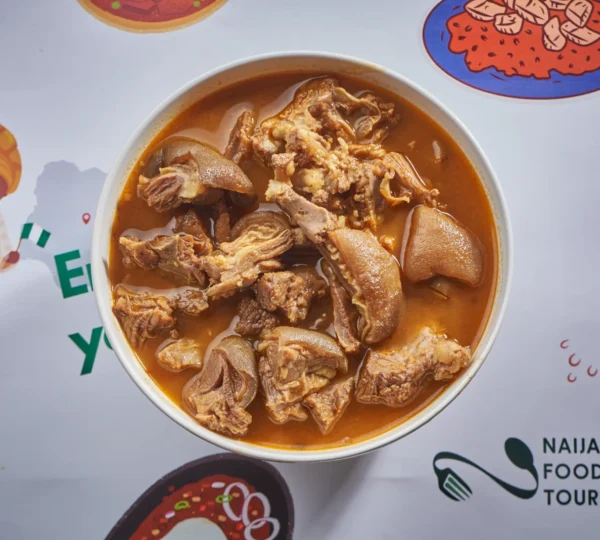
5. Pepper Soup
A hot, spicy broth made with local herbs. The catfish version (Point & Kill) is especially famous.
These meals appear on almost every Nigerian food tour and are considered essential tasting dishes for visitors.
What Is Fufu Called in English?
Fufu is not typically translated into English because it is a unique West African food.
However, some people describe it as:
-
“Swallow” (general term for foods eaten by swallowing rather than chewing)
-
A dumpling-like dough made from cassava, yam, or plantain
What Is Nigerian Swallow?
“Swallow” refers to soft, stretchy foods like:
-
Fufu
-
Pounded yam
-
Amala
-
Eba (garri)
-
Semovita
They are traditionally eaten with soups such as egusi, ogbono, or okra soup.
What Is the Typical Nigerian Dinner?
Nigerians enjoy hearty dinners, and meals vary by region. Popular dinner options include:
-
Rice and stew
-
Pounded yam and egusi
-
Beans and plantain
-
Jollof rice
-
Yam porridge
-
Amala and ewedu
Tourists often enjoy dinners during food tours because Nigerian dishes are cooked fresh, served hot, and bursting with spices.
What Is Nigeria’s Staple Food?
The major staples include:
-
Rice
-
Cassava
-
Yam
-
Beans
-
Maize
These are used across numerous dishes and are widely available throughout the country.
What Is Nigerian Food Made Of?
Nigerian food is known for:
-
Rich spices
-
Palm oil
-
Fresh peppers
-
Tomatoes
-
Locally sourced vegetables
-
Grilled or stewed proteins
Tourists often describe Nigerian food as flavourful, spicy, warm, and comforting.
What Vegetable Is Nigeria Famous For?
Nigeria uses many leafy greens, but popular ones include:
-
Ugu (fluted pumpkin leaves)
-
Efo tete (spinach)
-
Bitterleaf
-
Ukazi
These appear in soups like egusi, edikaikong, and afang.
How Healthy Is Nigerian Food?
Nigerian food can be very healthy when eaten in traditional forms.
Healthy qualities include:
-
Many meals use natural ingredients
-
Vegetables are abundant
-
Proteins like fish, goat meat, and beans are common
-
Spices provide antioxidants
Tourists are usually surprised by how fresh and nutrient-dense Nigerian meals can be.
What Do Most Nigerians Eat?
Most Nigerians eat:
-
Rice-based meals
-
Swallow + soup combinations
-
Beans dishes
-
Yam meals
-
Grilled foods like suya and fish
What Meat Do They Eat in Nigeria?
Common proteins include:
-
Chicken
-
Beef
-
Goat meat
-
Catfish
-
Turkey
-
Snail
Goat meat pepper soup is a popular tourist favourite, especially on food tours.
What Is the Most Popular Nigerian Soup?
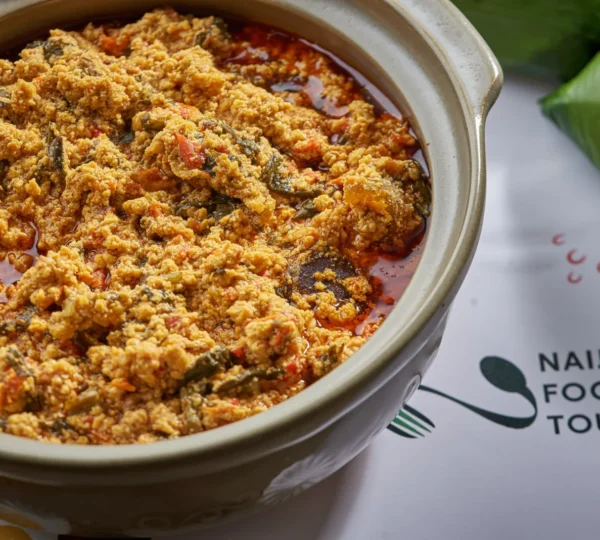
Egusi Soup is widely considered Nigeria’s most popular soup.
It is made from ground melon seeds, blended peppers, palm oil, and leafy vegetables.
Other favourites include:
-
Ogbono soup
-
Okra soup
-
Afang soup
-
Efo riro
-
Atama soup
Tourists love egusi because it’s rich, thick, and pairs perfectly with pounded yam.
What Is Nigeria’s Famous Vegetable?
The most famous vegetable is Ugu (pumpkin leaves).
It is used in soups like egusi, ogbono, ogbono-mix, and many stews.
Is Nigerian Food Spicy?
Yes — many Nigerian dishes contain a medium to high level of spice.
Peppers such as ata rodo (scotch bonnet) and cayenne are commonly used.
Tourists should be ready for bold flavours, but most restaurants offer mild options if needed.
FAQ Section
H3: What food should a first-time visitor to Nigeria try?
Start with Jollof rice, suya, fufu with egusi soup, moi moi, puff-puff, and pepper soup.
H3: Is Nigerian food too spicy for foreigners?
Most dishes are spicy, but you can always request a mild version. Tour restaurants often adjust spice levels for tourists.
H3: Can I find Nigerian food in the US?
Yes. Many US cities have Nigerian restaurants serving jollof rice, egusi soup, suya, and fufu.
If you’re curious to explore even more Nigerian flavours, you can read our next guide here:
The Best Food Tour in Lagos for 2025 (And Why Ours Tops the List)