
Nigerian food is bold, vibrant, emotional, and unforgettable — but until recently, it was a hidden gem known mostly within local communities. Today, everything has changed. Social media has pushed Nigerian cuisine into the global spotlight, and the hashtag #NaijaFood is now one of the hottest food trends online.
If you’re a traveler planning a trip to Lagos, you may have already come across videos of sizzling suya, richly colored jollof rice, fluffy puff-puff, steaming pepper soup, stretchy fufu, or vibrant egusi soup on Instagram and TikTok. Millions of people around the world are discovering Nigerian food through their screens — and many are eager to taste it in real life.
This guide breaks down why #NaijaFood is exploding worldwide, which Nigerian dishes are dominating social media, and how visitors can safely explore these flavors through an authentic, guided experience like Naija Food Tour.
Why Tourists Are Falling in Love With #NaijaFood

For international travelers, Nigerian cuisine offers something completely different from Western meals:
It’s bold and flavorful
Spice, aroma, seasoning — nothing about Nigerian food is shy.
It’s deeply cultural
Meals are tied to tribe, history, and community.
It’s fun and social
Nigerians don’t just eat — we celebrate.
It’s diverse
Every region has its own style, technique, and personality.
It feels like an adventure
Trying Nigerian food for the first time is exciting, new, and memorable.
This combination makes Nigerian cuisine irresistible to travelers seeking authenticity.
Top #NaijaFood Stars: The Dishes Tourists See Online
These are the meals that go viral online — and the dishes tourists ask for the most when they arrive in Lagos.
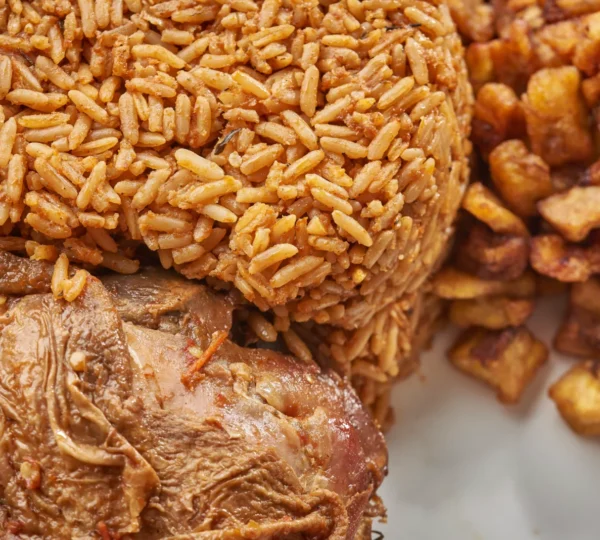
1. Jollof Rice
Smoky, spicy, rich, unforgettable — the global superstar.
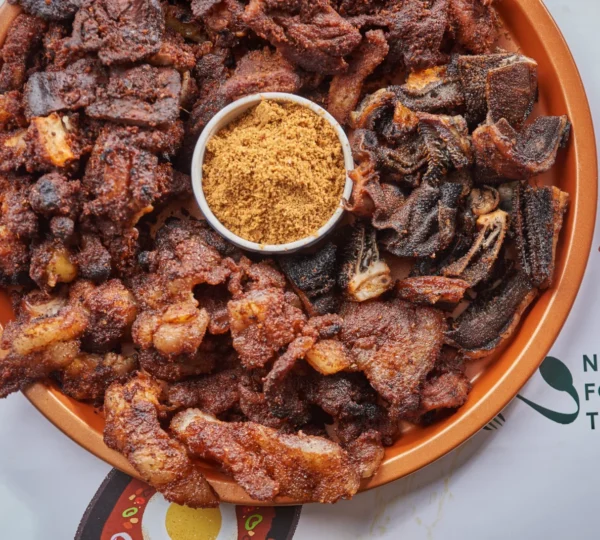
2. Suya
Grilled, spicy street-side beef enjoyed at night. A must-try.
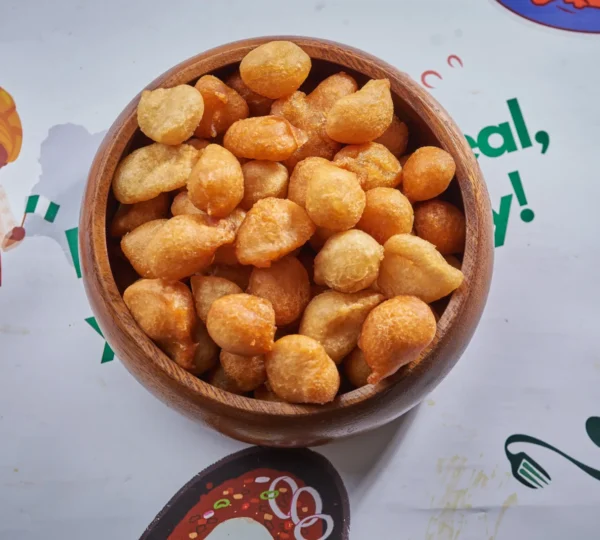
3. Puff-Puff
Golden, soft, sweet dough balls loved by everyone.
4. Akara
Crispy bean cakes eaten for breakfast — simple, delicious, iconic.
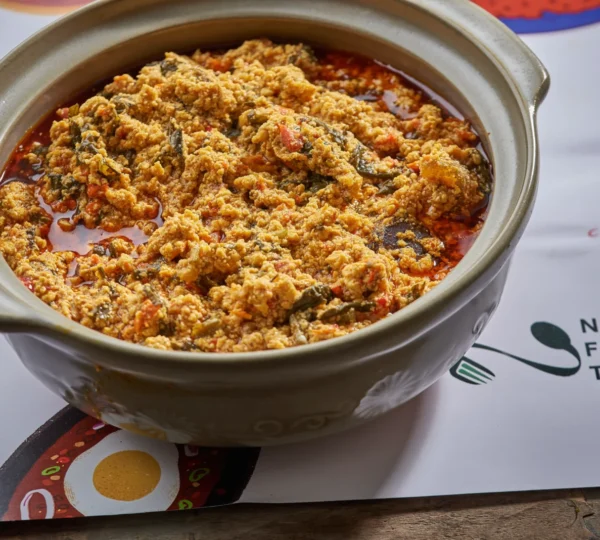
5. Egusi Soup
A thick, colorful melon-seed soup — extremely popular abroad.
These dishes dominate Instagram because they’re eye-catching, unique, and full of character.
How Naija Food Tour Brings #NaijaFood to Life for Visitors
While social media lets people see Nigerian food, Naija Food Tour lets travelers taste it in the most immersive way possible.
Our tour is designed especially for:
-
tourists visiting Lagos
-
foreigners who want to try Nigerian food safely
-
expats exploring the city
-
food lovers visiting Nigeria for the first time
Here’s how we turn the online experience into a real one.
1. Taste the Dishes You’ve Seen Online — All in One Day
Instead of wondering:
-
Where can I try suya safely?
-
Which restaurant has good jollof?
-
Is this street food okay for foreigners?
We curate the safest, most authentic stops, including:
-
Jollof
-
Pepper soup
-
Ewa agoyin
-
Suya
-
Masa
-
Amala
-
Afang
-
Puff-puff
-
Bole & fish
Our guests get a full Nigerian tasting adventure — guided and stress-free.
2. A Safe, Comfortable, Tourist-Friendly Experience
Travelers often worry about:
-
where to go
-
language barriers
-
food safety
-
transportation
-
understanding the culture
We solve all of that with:
-
a clean and comfortable tour bus
-
a fun, knowledgeable tour guide
-
curated restaurants and safe food spots
-
constant support throughout the trip
It’s the easiest way for a foreign visitor to enjoy Nigerian cuisine.
3. Everything Is Explained — Not Just Served
Many tourists love learning why Nigerians eat the way we do.
Our guides share:
-
cultural meanings
-
regional differences
-
cooking techniques
-
the history behind each dish
It turns every meal into a personal story.
4. A Very Lagos Vibe (That Tourists Absolutely Love)
The tour includes:
-
music
-
snacks
-
games
-
local insights
-
fun challenges
-
photo opportunities
Travelers tell us it feels like being inside a Lagos food vlog — but in real life.
Frequently Asked Questions (FAQ)
1. What is #NaijaFood?
#NaijaFood is a popular social media hashtag used to showcase Nigerian dishes, street food, cooking techniques, and culinary culture. It represents the online movement that has brought Nigerian food into global attention on Instagram, TikTok, and YouTube.
2. What does Nigerian food taste like?
Nigerian food is bold, flavorful, aromatic, and often spicy. It combines peppers, herbs, seasoning blends, and slow-cooked ingredients to create deep, rich flavors. Dishes like jollof rice, suya, and egusi soup are known for their intense, satisfying taste.
3. Is Nigerian food really spicy?
Many Nigerian dishes use Scotch bonnet peppers, which add heat and aroma. However, not all meals are extremely spicy. On the Naija Food Tour, guests can request mild versions of dishes or choose less-spicy options such as puff-puff or Afang soup.
4. What is fufu, and how do you eat it?
Fufu is a smooth, stretchy swallow made from cassava, yam, or plantain. It is typically eaten with soups like egusi, ogbono, or ewedu. Travelers usually pinch a small piece, dip it into the soup, and enjoy the flavor together — no chewing required.
5. What is egusi soup made of?
Egusi soup is made from ground melon seeds, vegetables, palm oil, and assorted meats. It has a thick, rich texture and is one of the most popular Nigerian dishes among tourists due to its unique flavor and vibrant appearance.
6. Is it safe for tourists to try Nigerian street food?
Yes — when you choose the right places. Some street food can be spicy or strong for first-time visitors, but the Naija Food Tour curates safe, hygienic, and trusted vendors to ensure travelers enjoy an authentic experience without worry.
7. How can I try Nigerian food if I’m visiting Lagos for the first time?
The easiest and safest way is through the Naija Food Tour. We provide guided tasting experiences, transportation, curated stops, a fun tour guide, and explanations of each dish — perfect for travelers who want to enjoy Nigerian cuisine stress-free.
8. Which Nigerian foods go viral on TikTok and Instagram?
The most viral dishes include jollof rice, suya, puff-puff, fufu, egusi soup, akara, and pepper soup. These meals are visually striking and full of flavor, making them popular with international audiences.
9. Can foreigners eat Nigerian food if they don’t like very spicy meals?
Absolutely. Nigerian cuisine has a wide range of spice levels. Many dishes can be prepared mild, and there are plenty of flavorful but less spicy options like puff-puff, masa, fried plantain, or native soups with reduced heat.
10. Does Naija Food Tour include dishes I’ve seen online?
Yes — our tour features many meals trending under #NaijaFood, including jollof, suya, pepper soup, puff-puff, fufu, egusi soup, and more. You get to experience viral Nigerian dishes in their most authentic form.
Final Thoughts: Experience #NaijaFood Beyond Your Screen
The rise of #NaijaFood online has made millions of people around the world curious about Nigerian cuisine. But the real magic happens when you taste these dishes fresh, in Lagos, surrounded by culture, music, and community.
If you’re visiting Lagos and want to explore Nigerian food in the safest, most exciting, and most authentic way, the Naija Food Tour turns everything you’ve seen online into a full-day adventure.
Come hungry.
Come curious.
And get ready to taste Nigeria like never before.