
For many first-time visitors, Nigerian food sparks curiosity — and sometimes fear. From bold flavours to unfamiliar ingredients, it is common for foreigners to feel unsure about what to try when visiting Nigeria. Yet, for most visitors, that fear disappears after the first bite.
In reality, Nigerian foods foreigners are scared to try often become the most memorable and loved part of their visit. These dishes are rich in culture, history, and flavour, and they tell powerful stories about everyday life in Nigeria.
Why Foreigners Feel Nervous About Trying Nigerian Food
Trying food in a new country can feel intimidating, especially when it looks, smells, or sounds unfamiliar. Nigerian cuisine is bold, expressive, and deeply cultural — which is exactly what makes it special, but also what causes hesitation.
Fear of Spice and Strong Flavours
One of the most common concerns foreigners have is spice. Nigerian food has a reputation for being extremely spicy, leading many visitors to assume they won’t be able to handle it. While some dishes are indeed spicy, not all Nigerian food is hot — and spice levels can often be adjusted.
Street Food Myths and Safety Concerns
Street food plays a major role in Nigerian food culture, but many visitors worry about hygiene and safety. This fear is often based on stereotypes rather than reality. Like anywhere in the world, knowing where and what to eat makes all the difference.
Unfamiliar Ingredients and Names
Names like “fufu,” “egusi,” or “pepper soup” can sound intimidating to someone hearing them for the first time. Without explanation, foreigners may avoid these dishes simply because they do not know what to expect.
Nigerian Foods Foreigners Are Often Scared to Try
Despite initial hesitation, these are some of the Nigerian foods foreigners are most curious about — and often fall in love with.
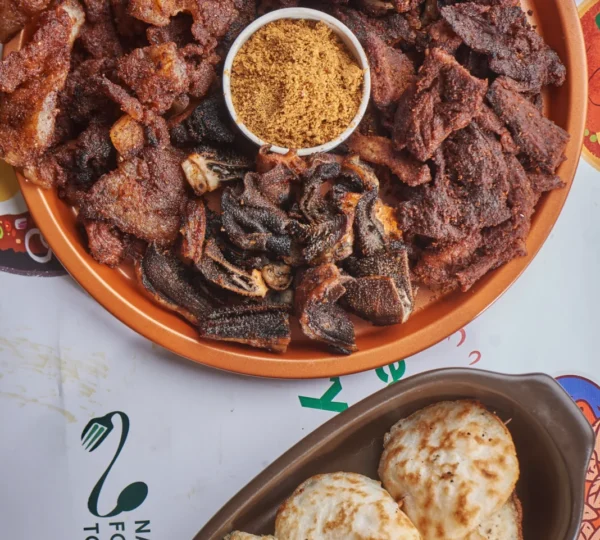
Suya
Suya is a popular Nigerian street food made from grilled meat coated in a spicy peanut-based seasoning. Many foreigners fear it because of the spice level, but once they taste it, the smoky flavour and seasoning quickly win them over.
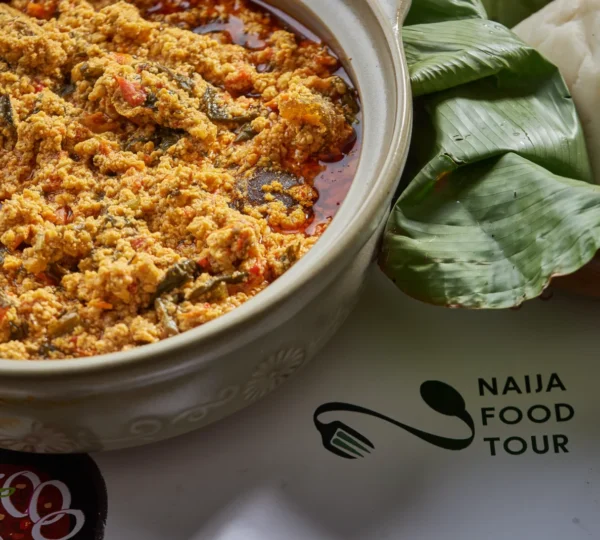
Swallow Foods (Eba, Fufu, Pounded Yam)
Swallow foods are often misunderstood. The idea of eating with hands and pairing dough-like staples with soups can feel unfamiliar. However, once visitors learn how it’s eaten and why it matters culturally, it becomes a favourite experience.
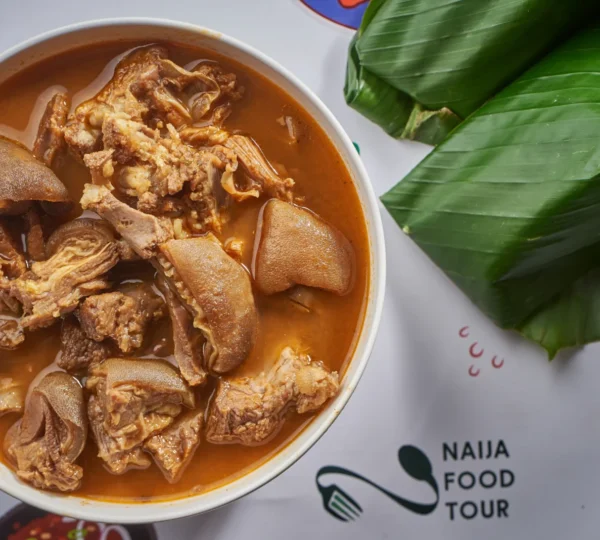
Pepper Soup
Pepper soup has a strong aroma and bold spices, which can be intimidating at first. Foreigners often assume it will be overwhelmingly spicy, but many end up enjoying its warmth, depth, and comforting nature.
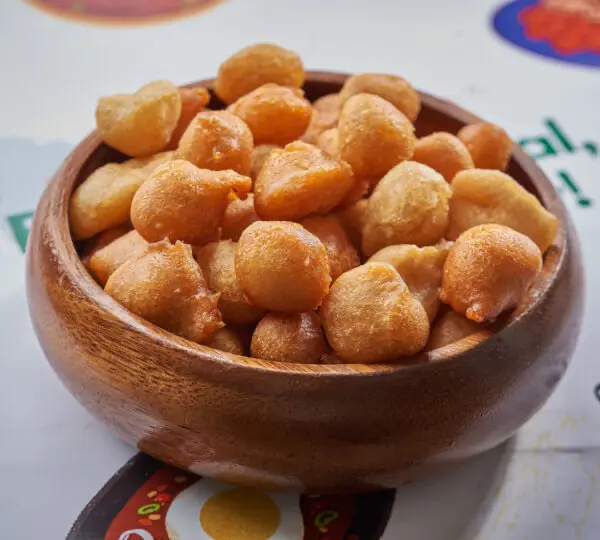
Street Snacks Like Puff-Puff and Boli
These simple street snacks often surprise visitors the most. Puff-puff’s softness and boli’s smoky sweetness frequently turn sceptics into fans within minutes.
Why These Nigerian Foods Are Often Misunderstood
Cultural Differences in Eating Habits
In Nigeria, food is social. Meals are shared, eaten casually, and enjoyed together. For visitors used to formal dining, this can feel unfamiliar — but it is also what makes the experience special.
Social Media Exaggeration
Viral videos sometimes exaggerate spice levels or food reactions for entertainment. Without context, this can create unnecessary fear around Nigerian food.
Why Most Foreigners End Up Loving Nigerian Food
Despite initial fears, many visitors leave Nigeria with food memories they never forget.
Bold Flavours You Don’t Forget
Nigerian food is rich, layered, and satisfying. Once tasted, the flavours tend to linger long after the trip ends.
The Social Experience Around Food
Food in Nigeria comes with laughter, conversation, and connection. Visitors often find that sharing meals helps them bond with locals faster than any tour activity.
Food Tells the Story of Nigeria
Each dish reflects history, geography, and tradition. Through food, visitors gain a deeper understanding of Nigerian culture beyond what guidebooks can offer.
The Best Way for Foreigners to Try Nigerian Food Safely
Why Guided Nigerian Food Tours Matter
For visitors unsure where to start, guided experiences make all the difference. Nigerian food tours help remove fear by offering safe, curated introductions to local dishes and street food.
Learning the Story Behind Each Dish
Understanding what you are eating — where it comes from and how it is prepared — turns fear into appreciation.
Experience Nigerian Food the Right Way With Naija Food Tour
At Naija Food Tour, we help visitors experience Nigerian food with confidence. Our guided Nigerian food tours introduce guests to authentic dishes, trusted food spots, and the cultural stories behind every meal. Whether it’s street food, local markets, or traditional favourites, we ensure visitors enjoy Nigerian cuisine safely, comfortably, and memorably.
Final Thoughts
Fear often comes from the unknown. When it comes to Nigerian cuisine, the foods foreigners are scared to try are often the very dishes they miss the most after leaving. With the right guidance and an open mind, Nigerian food becomes one of the most rewarding parts of any visit.
If you are curious about exploring Nigerian food during your trip, understanding which experiences truly stand out is the next step. In our next post, we explore Naija Food Tour: The Ultimate Lagos Street Food Experience in 2025 — and explain why Naija Food Tour continues to top the list for visitors seeking authentic Nigerian food experiences.